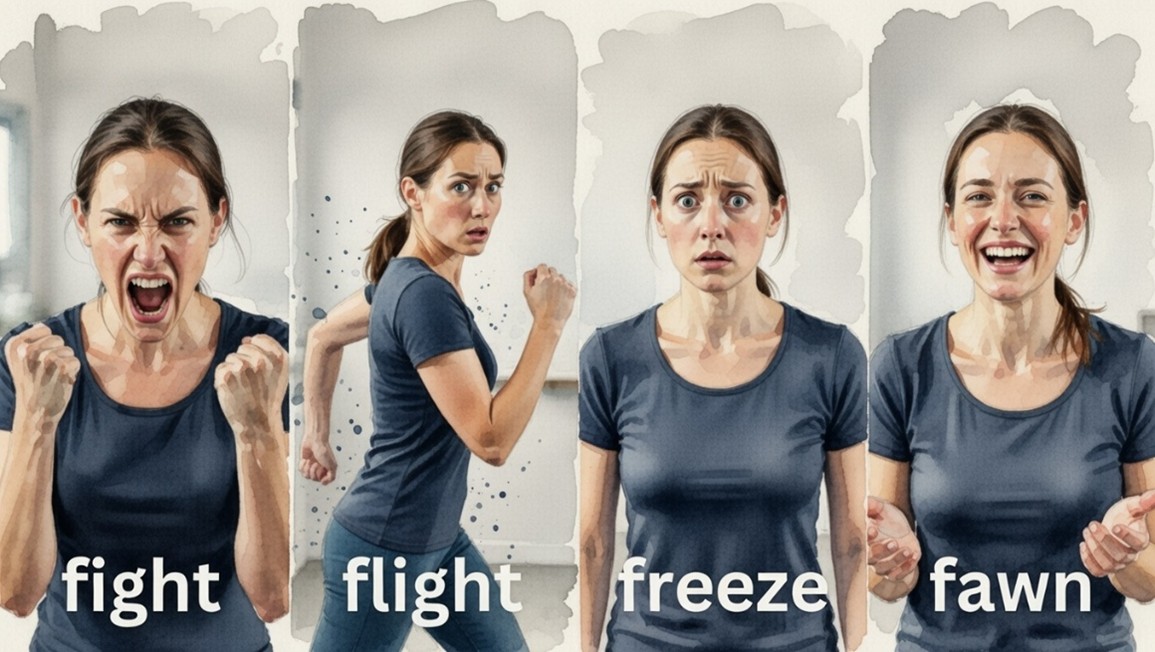
Fight Flight Freeze Fawn
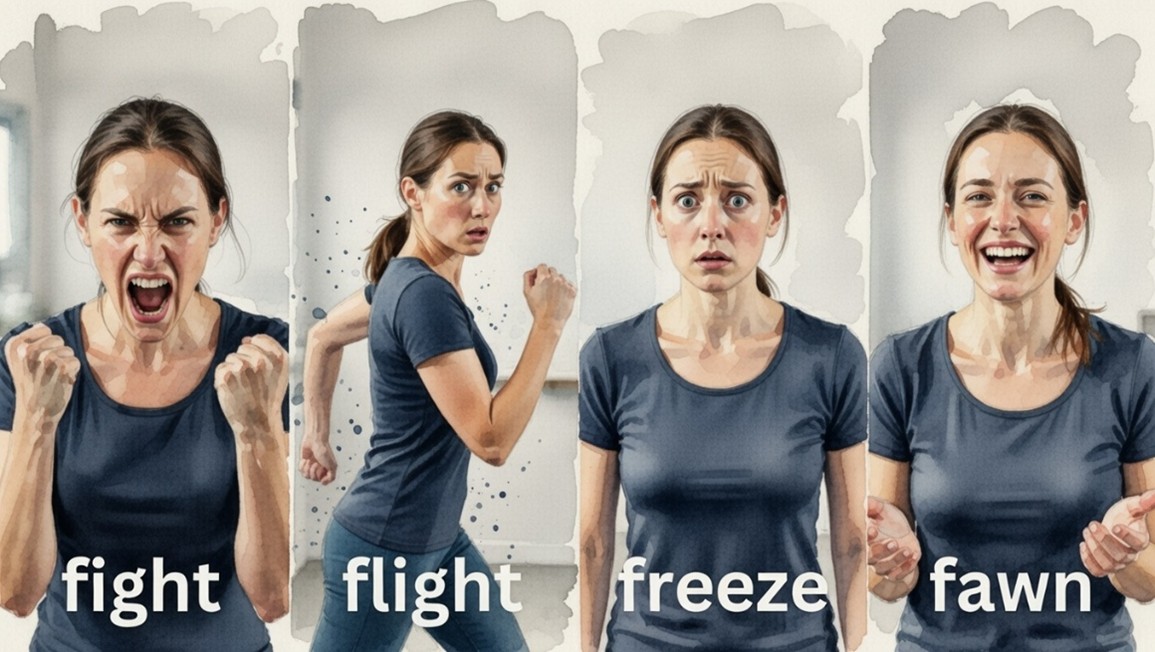
The body has four major survival reactions to trauma: fight, flight, freeze, and fawn. Each of these responses can feel different in the body and in the mind, but they all come from a deep instinct to survive dangerous situations, and they happen without conscious thought or intent. Survivors of domestic violence may experience any or all of these at different times. No matter which one happens, it’s not the victim’s fault—their brain and body are doing what they think is best to survive.
FIGHT
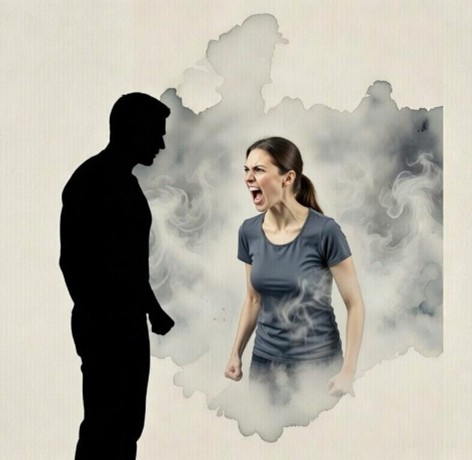
The fight response is when you feel ready to push back or defend yourself. You may feel your heart pounding, muscles tightening, or hands shaking with adrenaline. Mentally, you may feel angry, brave, or full of energy and an impulse to yell or fight off the danger. The fight response is a natural way to stand up against violence, but it can be risky if the abuser is stronger.
FLIGHT
The flight response is when you want to run away or escape the situation. Your legs might feel jittery, your breathing may quicken, and you may experience a strong urge to move fast. Thoughts race with ideas like “I need to leave and get out now.” This response is all about getting to safety quickly, like a deer running from a predator. It’s a smart instinct that can save lives by avoiding more hurt.
FREEZE
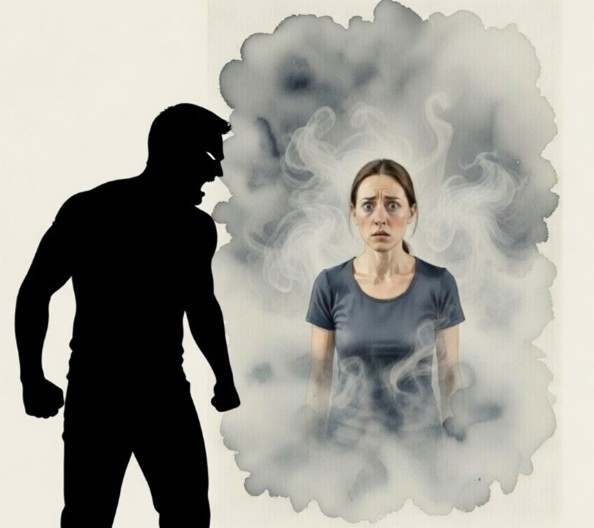
The freeze response causes you to become still and quiet, almost like playing dead. In the body, it can feel like muscles locking up, breath holding, or a numb feeling all over. Your thoughts may slow down or go blank, with a sense of being stuck or helpless. After it happens, survivors often feel guilty, thinking, “Why didn’t I do something?” But freezing is a very natural survival trick that can make the danger pass without making it worse. It’s normal and not a sign of weakness; it’s the body’s way of waiting for a safer moment.
FAWN
The fawn response means trying to please or calm the abuser to make the violence stop. You may feel a tight chest, a fake smile, or a queasy stomach from acting nice when scared. Psychologically, it involves thoughts like “If I’m good, it’ll end” or feeling small and eager to agree. Survivors often feel guilty later, wondering why they didn’t fight or run. They may even wonder if they consented to the abuse by appeasing the abuser. Fawning is not consent! It is another survival instinct to reduce harm by keeping things peaceful.
All these responses, fight, flight, freeze, or fawn, are brave ways the body and mind fight to survive. Sometimes victims of violence feel guilty for the trauma response they experience in a moment of terror, but it is important to remember that your body does what it needs to do for survival, and none of these responses are wrong.
If you find yourself in a destructive or dangerous relationship, please reach out for help. Our trained advocates are available 24/7 to provide confidential support and resources. You do not have to be alone.
Contact Information:
Crisis Line: 1 (800) 416-1772
Main Office: 1 (417) 782-1772
Main Office Address: 1809 S Connor Ave. Joplin, Missouri 64804
Neosho Office: 417-451-6106
Neosho Office: 118 W. Spring St., Neosho, MO, 64850
Website: https://lafayettehouse.org/
