
Supporting Sexual Assault Survivors and Prevention
Supporting Survivors and Prevention

As we continue our commitment to supporting survivors of sexual assault, we recognize the importance of understanding both the challenges survivors face and the critical role of prevention in creating safer communities. Recent data has revealed important insights about sexual violence in our society, and we're here to share this knowledge while offering hope and practical support.
Current Trends and Understanding
Recent studies show that 26% of U.S. adults experienced sexual harassment or assault in the past year alone. Women experience significantly higher rates (32%) compared to men (15%). Perhaps most concerning is that 87% of women and 89% of men do not disclose their experiences, highlighting the critical need for creating safer spaces for survivors to come forward.
Location and Relationship Patterns
Understanding where and how sexual violence occurs helps us better support survivors and develop effective prevention strategies. While sexual harassment most frequently occurs in public spaces, sexual assaults typically happen in private settings. Most perpetrators are known to survivors - they might be partners, family members, or acquaintances. This reality can make it particularly challenging for survivors to seek help.
The Physical and Emotional Impact
Sexual assault can have both immediate and long-term effects on survivors' health and well-being. Common physical health consequences can include chronic conditions such as heart disease, diabetes, and gastrointestinal issues. The emotional impact often manifests through:
Changes in daily patterns, such as social withdrawal, sleep disruptions, and altered eating habits, are common responses to trauma. At Lafayette House, we understand these challenges and provide comprehensive support to address both the physical and emotional aspects of healing.
Prevention and Community Response
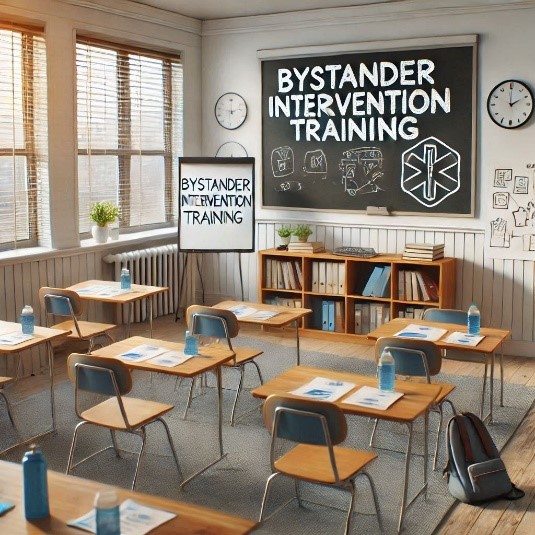
Strong, connected communities are crucial for preventing sexual violence and supporting survivors. Research shows that nearly 90% of prevention programs implementing comprehensive measures demonstrate tangible shifts toward creating safer environments. At Lafayette House, we focus on:
Education about consent and healthy relationships
Bystander intervention training
Creating safe spaces for disclosure
Challenging harmful attitudes and behaviors
Building community awareness and support
Campus Safety and Young Adults
Sexual violence on college campuses remains a significant concern. Current statistics show an 8.3% prevalence rate of intimate partner violence since enrollment and a 5.8% prevalence rate of stalking. These numbers emphasize the importance of continued education and prevention efforts in educational settings.
Hope and Healing
While the statistics and impacts of sexual assault can feel overwhelming, it's important to remember that healing is possible. Evidence-based treatments have shown positive results for many survivors, and with proper support, survivors can and do rebuild their lives. Whether through individual counseling, group therapy, or other specialized approaches, Lafayette House works with each person to develop a personalized support plan that meets their unique needs.
Contact Information:
Crisis Line: 1 (800) 416-1772
Main Office: 1 (417) 782-1772
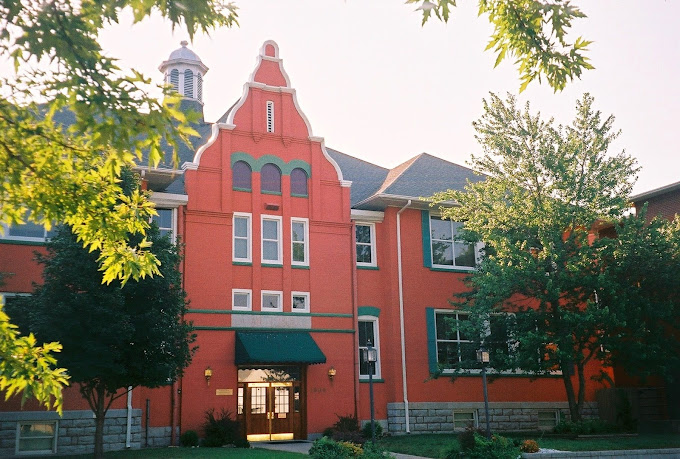
Main Office Address: 1809 S Connor Ave. Joplin, Missouri 64804
Neosho Office: 417-451-6106
Neosho Office: 118 W. Spring St., Neosho, MO, 64850
Website: https://lafayettehouse.org/
Remember, our trained advocates are available 24/7 to provide confidential support and resources. You don't have to face this journey alone.
