National Stalking Awareness Month

UnderstandingStalking
January is National Stalking Awareness Month, a time to shed light on stalking and its impact on survivors. According to SPARC, nearly 1 in 3 women and 1 in 6 men have been stalked at some point in their lives. Stalking is a pattern of behavior directed at a specific person that would cause a reasonable person to fear for their safety or the safety of others, or suffer substantial emotional distress. Stalking tactics include unwanted phone calls, following and watching the victim, unwanted appearances at places of work or home, contacting the victim’s friends or family, unwanted gifts, using technology to monitor or track the victim, and more.

Stalking and Domestic Violence
40% of stalking victims are stalked by current or former intimate partners. Stalking can occur before, during, and/or after the relationship. Victims of domestic violence who are experiencing stalking are significantly more likely to experience threats of harm, to have those threats followed through, and to experience more frequent or intense stalking. It is common for survivors of domestic violence to experience stalking by an abuser following a separation attempt.
Tips for Stalking Survivors
Call the police if you feel you are in danger.

Keep a record of each contact with the stalker. Document dates, times, details of the encounters, and any evidence (photos, messages, call logs) of each encounter.
Consider safer technology practices if the stalker is using technology or devices to track or to contact you.
Reach out to Lafayette House to discuss available services and create a safety plan.
Stalking is NOT Romantic
Many stalking tactics can be portrayed as romantic in movies, on social media, and in conversations with friends and family. Things like receiving expensive gifts or texts can be seen as romantic gestures to others. Oftentimes, the stalker’s behaviors are scary to the victim because of their relationship with the stalker. This can make the stalker’s actions hard to explain to others.
Contact Information:
Crisis Line: 1 (800) 416-1772
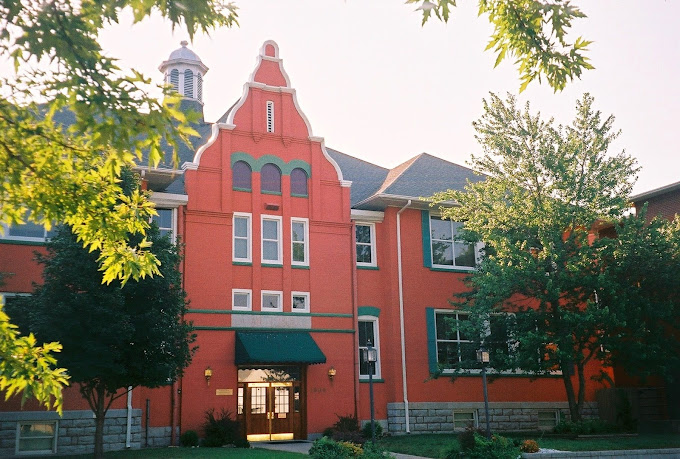
Main Office: 1 (417) 782-1772
Main Office Address: 1809 S Connor Ave. Joplin, Missouri 64804
Neosho Office: 417-451-6106
Neosho Office: 118 W. Spring St., Neosho, MO, 64850
Website:https://lafayettehouse.org/
You are not alone. Lafayette House is here 24/7 with confidential support and resources. Healing is possible, and it starts with reaching out.
